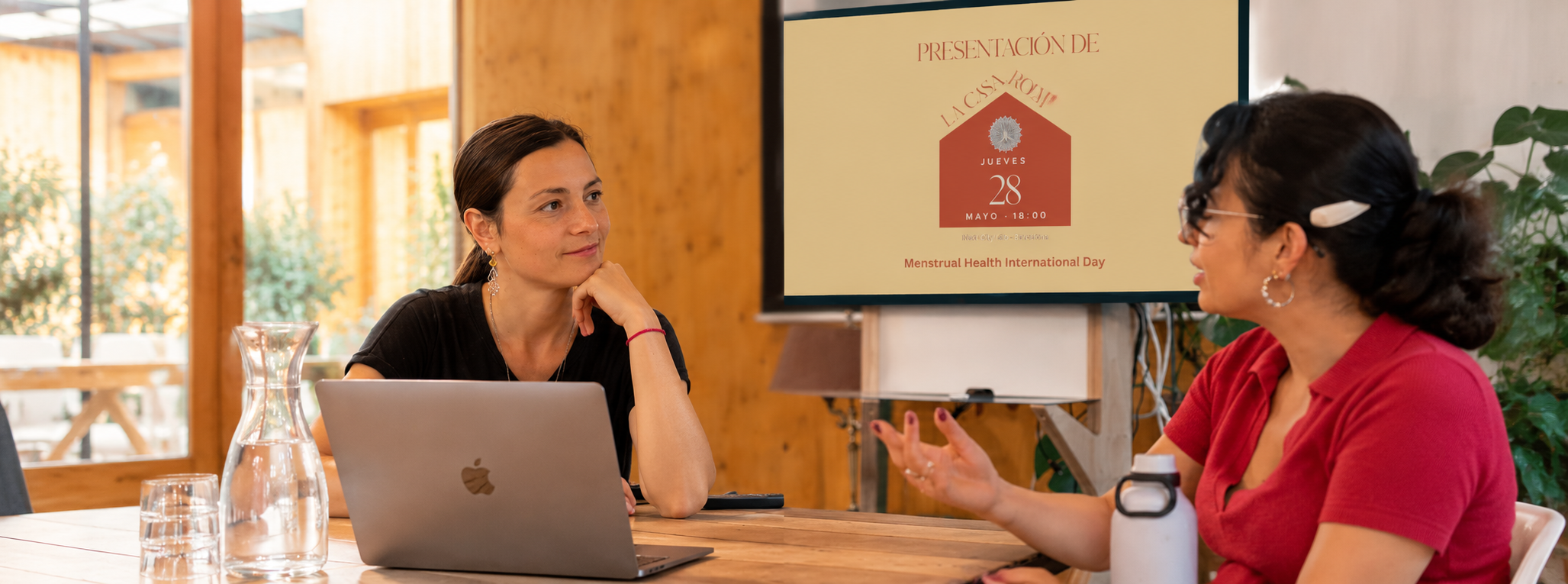
About Anna
Lucia Pinto
I work with organisations to create the conditions in which women, in all their diversity, can participate, contribute and lead.
I work with women to help them come back to their voice, their body and their own way of leading.
For me, these have never been two different jobs — they are the same method, at different scales.
Where I began
For more than fifteen years, I have worked to understand why gender inequalities exist, and to change the systems that produce them.
It started with research on women: their role in the informal economy in Benin, and gender-based violence and reproductive rights in Argentina. From there, my path took me to the heart of policymaking in Brussels, and to designing and managing programmes across Latin America, West Africa, the MENA region, the Caribbean and Europe.
But wherever I was, I stayed close to the places where policies meet real lives.
I believe deeply in my work.
Policies, strategies and institutions are how change becomes structural.
Along the way, I have worked on every side of change:
Shaping EU policy and organisational strategies. Managing programmes at scale. Mapping gender-smart innovation across Europe. Building plans with the people they serve. Evaluating programmes and projects. Creating tools and training teams and communities.
And after years inside them, I know how change actually happens: how a programme is designed, funded, delivered and evaluated, and where, along the way, women’s real needs get lost.
That’s the knowledge I bring to every organisation I work with.
What the systems still miss
Women’s health, their bodies and the inequalities we carry inside
I grew up watching discrimination and inequality shape the women around me and my own life. I learned to adapt: to please, to soften what I really thought, to make myself smaller so I wouldn't be judged. I built a strong career while quietly losing touch with my own voice — and my body, for years, kept asking for something I didn't know how to give it. It took me a long time to understand that what I was living wasn't only personal: it was part of the same systems I had spent my career trying to study and change. They simply hadn't reached that part of me yet.
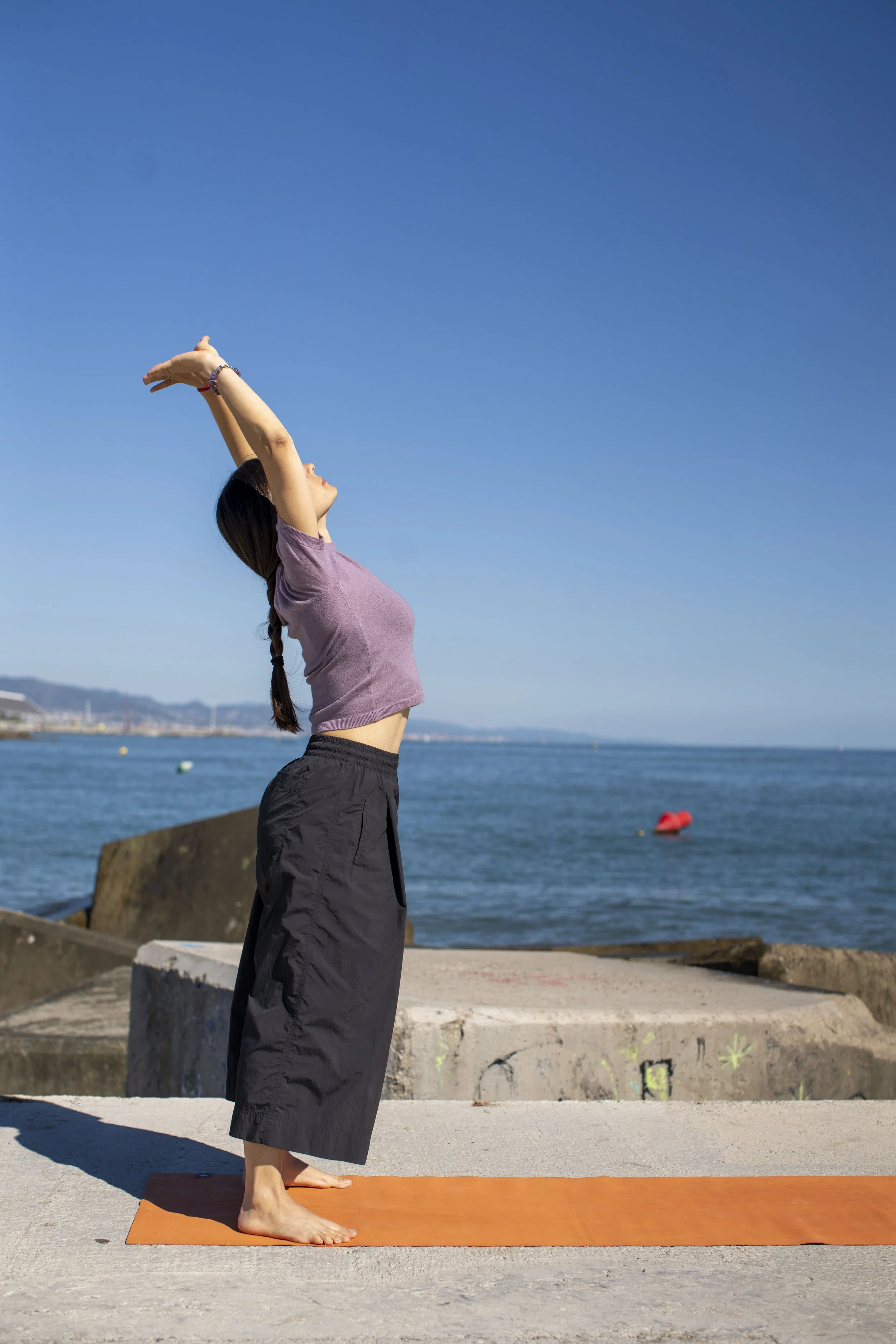
In 2012 I found yoga — not as a wellness routine, but as a way back to a voice I had spent years quieting. That path led me to train in therapeutic yoga for women's health, adapted to different stage of life, and trauma-informed practice, and eventually to complete postgraduate studies in menstrual education. Motherhood, and being a migrant more than once, deepened the same question: how do we build lives, careers and leadership that don't ask women to leave themselves behind in order to succeed?
Along the way, I also trained in women’s empowerment, in accompanying women affected by gender-based violence, and in holding circles: spaces where women can talk, share, learn and support each other. I have seen, again and again, what happens when women stop carrying everything alone. Something shifts. They recognise themselves in each other, and find strength they didn’t know they had.
What began as something I needed personally became a second, complementary form of expertise — not instead of systemic change, but alongside it. That complementary expertise now lives in two programmes I created and facilitate myself — HER WAY and HER CYCLE.
Institutional expertise and embodied experience, in the same room.
Gender equality is not only about who gets a seat at the table. It’s also about the systems, cultures and conditions in which people are asked to take part, and whether women can free themselves from the roles gender assigns them, and lead from their own strength, as they are.
That’s the thread through everything I do. When I design an equality plan for an organisation, I look at how policies shape women’s lives. When I facilitate a programme for women, I look at how those same systems show up in their bodies, their energy and their voice.
Systems and people. Policy and practice. The same question, asked from both sides.
La Casa Roja
This same inquiry led me, in 2026, to found La Casa Roja, a social innovation initiative advancing gender equality and women's health, through education, community building and embodied practice.
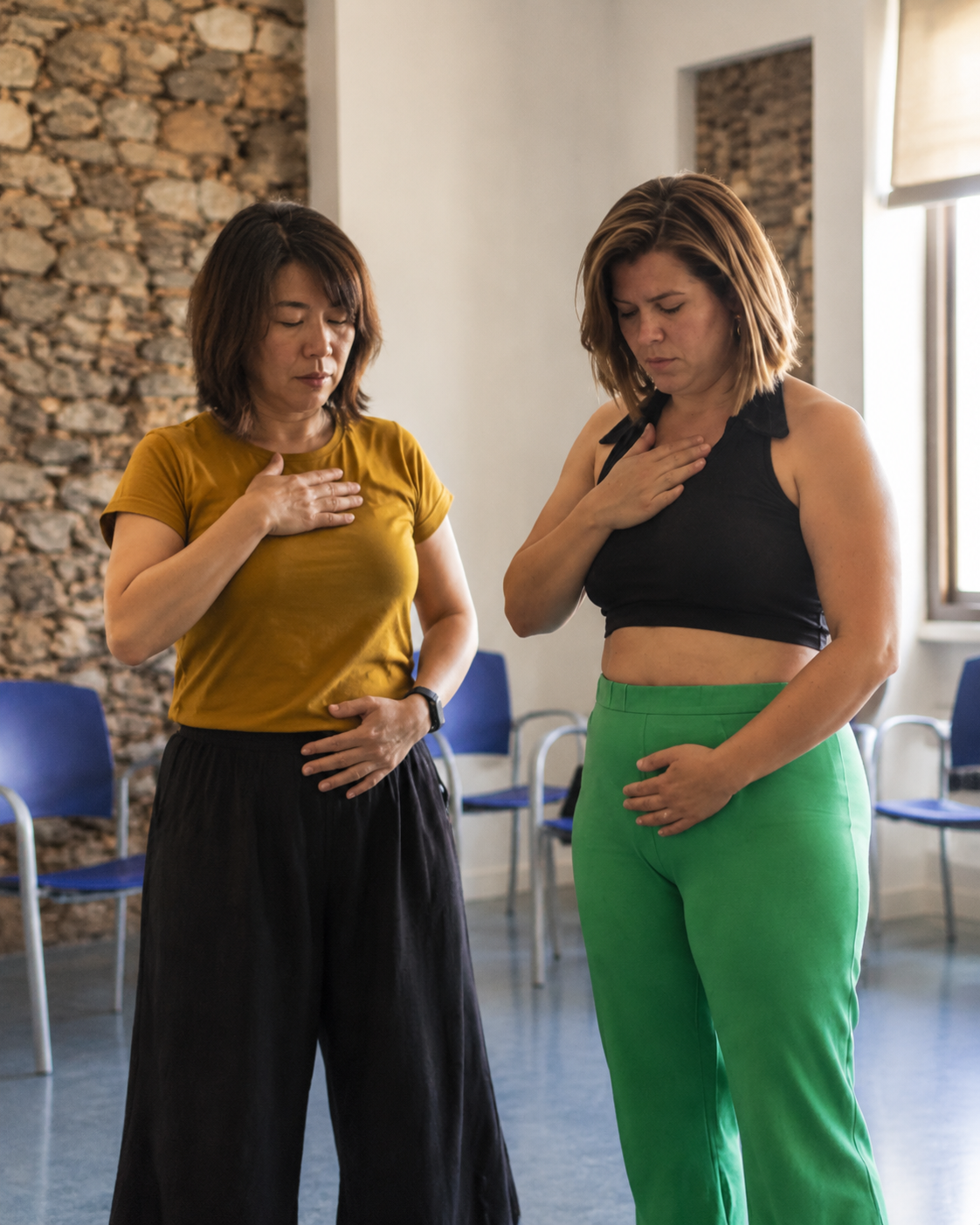
La Casa Roja is where I work directly with women and communities — through workshops, circles and programmes rooted in women’s circles methodology, menstrual and hormonal health, somatic practice and collective care for real equality.
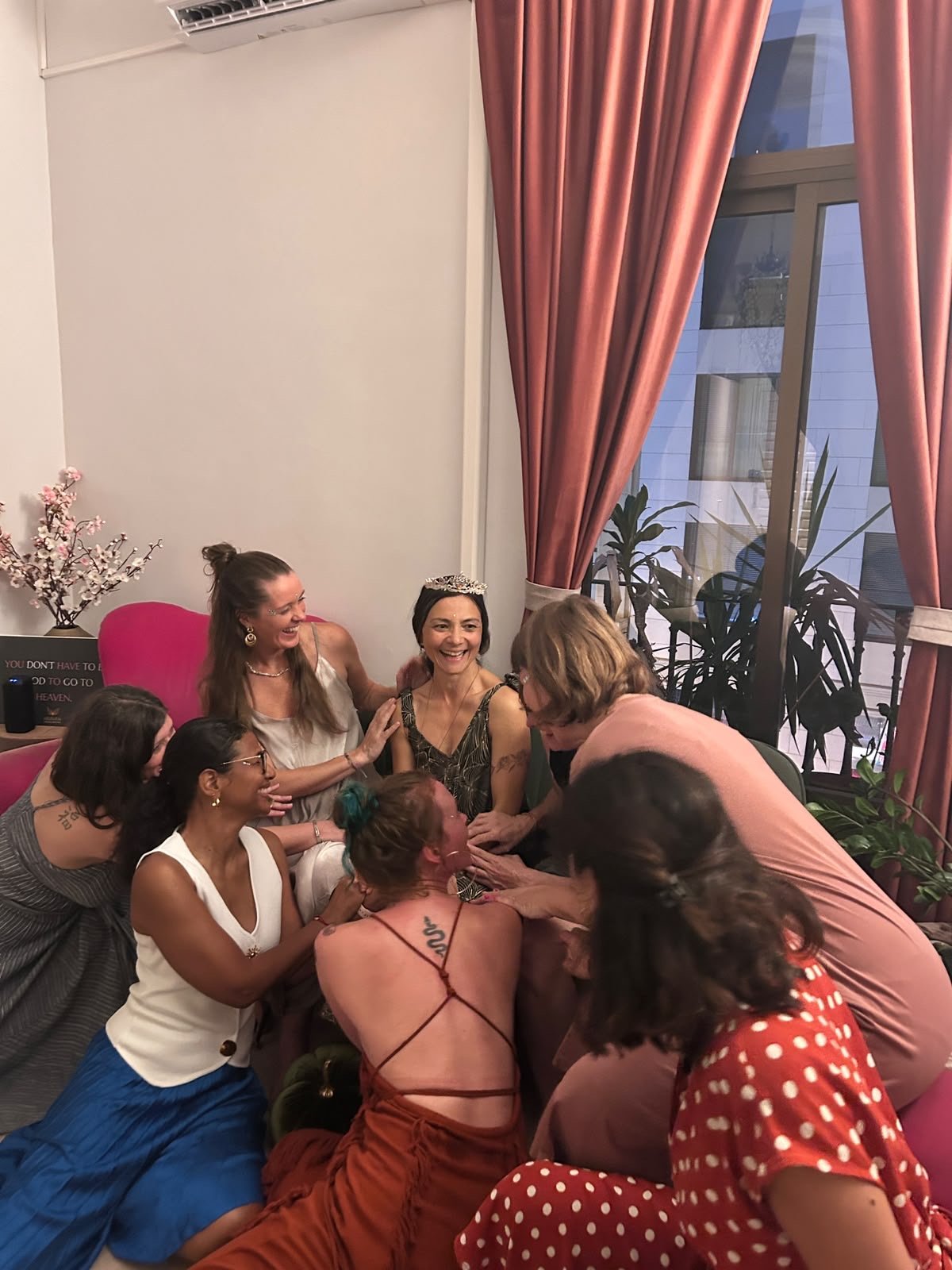
I’m Italian, and I live in Barcelona. Alongside my career, I trained as a certified yoga teacher and specialised in therapeutic yoga for women’s health, accompanying women through the different stages of life, as well as in trauma-informed practice and women’s empowerment. It’s a second expertise I’ve built with the same rigour as the first. I’m a mother. And an educator at heart, whether I’m in an institutional meeting room or holding space for a group of women learning to trust their own voice again